
LinkedIn Profile Optimization: A Professional’s Guide to Standing Out in 2026
Your LinkedIn profile in an ever more competitive employment market is much more than a digital CV. In many aspects, it is the initial opinion a recruiter, hiring manager, or prospective company partner develops of you before you ever say a word. With more than a billion experts currently working on the site, just having a profile is not sufficient. LinkedIn profile tuning has developed into a legitimate professional ability in its own right—one that influences visibility in recruiter searches, post engagement, and finally the opportunities that reach your mailbox.
This manual covers the realistic, tried methods for improving your LinkedIn profile’s search visibility and preserving the professional, real tone that creates real confidence.
Why LinkedIn Profile Enhancement Counts
Not unlike a search engine, LinkedIn runs on its own internal search method. LinkedIn ranks profiles on relevance, completeness, and activity when a recruiter looks for prospects using certain industry terms, talents, or job titles. No matter how remarkable the underlying job history may be, a badly optimized profile might remain virtually unseen to the very people looking for someone with your precise skills.
LinkedIn SEO, or search engine optimization for your profile, becomes absolutely critical here. Strategically including pertinent keywords throughout your profile greatly raises your chances of showing up in recruiter and hiring manager searches—on LinkedIn itself and more and more on outside search engines like Google.

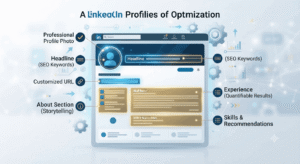
Begin with a strong, keyword-rich headline.
One of the most weighted components of your LinkedIn profile—for search ranking as well as for human readers perusing their feed or search results—your headline is rather than using a general employment title, this area allows you to show your professional worth using pertinent sector keywords.
For instance, instead of just penning “Marketing Manager,” a more tailored title might be: “Marketing Manager | Digital Strategy, Content Marketing & Brand Growth | Driving ROI for B2B SaaS Companies.” This method automatically includes search terms and offers profile visitors a fast understanding of your area of expertise and value.
Create a Strong, Search-optimized Summary
Usually called the summary, the About section gives you the chance to share a unified professional narrative in your own words. Starting with a strong hook that reflects your professional identity, this section should be followed by a clear statement of your expertise, major achievements, and career goals.
From an SEO perspective, this part is very important in LinkedIn’s search algorithm, so you must organically include the most pertinent keywords for your business and target positions. Still, keyword density shouldn’t ever impair readability. A synopsis that comes as an odd collection of buzzwords will compromise the professional tone you are aiming for. First write for human readers, then keep in mind the terms recruiters could be looking for.
Improve Your Experience Section With Quantifiable Results
Many specialists underuse the Experience area by outlining responsibilities instead of showing influence. Using sector-specific keywords naturally inside the descriptions, a well-optimized profile frames every position around measurable results.
Rather than stating Responsible for managing social media accounts, a more effective, more optimized entry could be: Led social media strategy and content marketing efforts across five platforms, increasing organic engagement by 42 percent and year-over-year lead generation by 30 percent. This strategy concurrently increases keyword relevancy and shows concrete career worth to everyone looking over your profile.
Utilize the skills section strategically
Since recruiters usually filter applicants depending on certain mentioned abilities, the Skills area directly impacts LinkedIn’s search feature. Give most priority to the abilities most pertinent to your desired positions; where possible, seek colleague and superior endorsements to help to support your legitimacy. Though LinkedIn lets you add up to fifty talents, it’s usually better to highlight the fifteen to twenty most pertinent to your career objectives, therefore guaranteeing your top three pinned abilities exactly fit the jobs you’re looking for.

Personalized URL and Featured Section
Rather than the default string of characters and numbers, a personalized LinkedIn URL helps to provide a more professional look and can help your profile show up better in external search engine results. The Featured section also gives you important real estate to highlight portfolio work, published articles, talks, or media coverage, therefore strengthening your professional knowledge for anybody seeing your profile.
Keep a Professional, Constant Level of Activity
Static profile information alone does not define search presence. LinkedIn’s algorithm also takes into account activity and engagement levels. Greater visibility over time usually comes from profiles that frequently highlight industry knowledge, offer thoughtful analysis on pertinent articles, and publish unique material. Though volume is important, a well-considered post once or twice a week together with real interaction on other people’s work usually beats erratic or only promotional activity.
Seek Recommendations Sensibly
Whether a recruiter or a possible business contact, recommendations still provide a strong trust indicator for everyone reviewing your profile. Instead of sending general questions, ask past managers or coworkers to discuss particular initiatives or skills using language that supports your professional placement and pertinent keywords.

Final Conclusions
Optimizing your LinkedIn profile is an ongoing professional activity, not a one-time assignment. Your profile ought to change with your profession to show fresh knowledge, successes, and professional direction. Approaching your profile with the same strategic purpose you would bring to a resume or professional portfolio, while still aware of the search and discoverability aspects special to the platform, you set yourself to be found by the correct opportunities instead of waiting to be discovered by luck.